
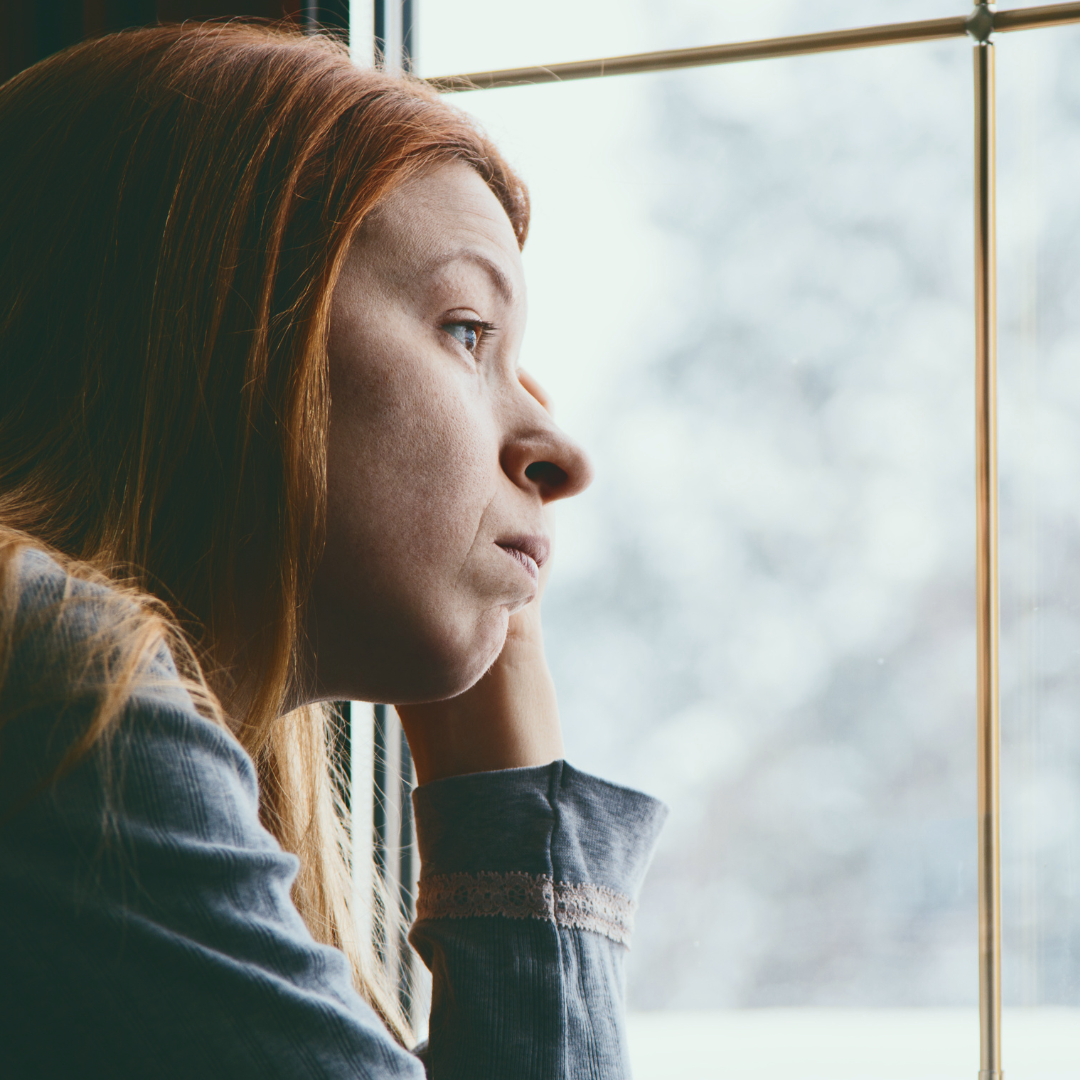
Do you feel a little “off” every time the days get shorter and the weather gets colder? You’re not alone! Seasonal Affective Disorder (SAD) has been found to affect 3/100 people each year, and many more may have a milder form of the condition, often called the “winter blues.” Let’s break down what SAD is, why it happens, who’s at risk, and, most importantly, how to feel better.
What is Seasonal Affective Disorder (SAD)?
SAD is a type of depression that shows up during specific seasons, typically autumn and winter, when daylight hours reduce. Unlike regular “winter blues,” SAD is a physiological response to environmental changes that disrupt your nervous system’s ability to regulate mood, energy, and focus. It is most likely to affect people living further away from the equator, where daylight hours are greatly reduced in the winter months. The lack of sun affects the body’s ability to produce important ‘feel good’ hormones like serotonin, causing a global hormonal imbalance in the body which affects multiple, important systems.
How Does SAD Affect Your Nervous System?
Your nervous system, particularly your brain, thrives on balance. Seasonal changes throw that balance off by:
- Disrupting Your Circadian Rhythm
Your circadian rhythm is your body’s internal clock, governed by the hypothalamus in your brain (the part that keeps your body in a stable sate of homeostasis). Less daylight means this clock gets out of sync, confusing your nervous system about when to sleep, wake, and be alert. - Lowering Serotonin Levels
Serotonin, the “feel-good” neurotransmitter, relies on sunlight to function optimally. With shorter days, your brain produces less serotonin, making it harder for your nervous system to regulate mood and emotions. - Increasing Melatonin Production
Darker days lead to higher levels of melatonin, the hormone that controls sleep. Overproduction of melatonin can leave your nervous system in a semi-hibernation state, causing fatigue and sluggishness. There’s a good reason that animals hibernate during this season and we do well not to beat ourselves up about the fact that we slow down a little during this time. - Triggering a Stress Response
The disruption of your brain chemicals and sleep-wake cycle can put your nervous system on high alert, leading to heightened stress, irritability, and difficulty concentrating.
What Are the Symptoms of SAD?
When your nervous system struggles to adjust, you might notice:
- Emotional Changes: Persistent sadness, irritability, or feelings of hopelessness.
- Energy Drops: Chronic fatigue, even after a good night’s sleep.
- Cognitive Sluggishness: Difficulty concentrating or making decisions.
- Cravings: A strong urge for carbs and comfort foods as your brain seeks quick energy boosts.
- Sleep Disruptions: Oversleeping yet still feeling tired, thanks to an overactive melatonin cycle.
Who’s More at Risk?
Some nervous systems are more vulnerable to the seasonal shift:
- Women: SAD is four times more common in women than men.
- Younger Adults: The nervous systems of people aged 18–30 seem more sensitive to these seasonal changes.
- Northern Residents: Those living far from the equator are more likely to experience SAD, thanks to longer, darker winters.
- Individuals with Depression: If you or your family members have a history of depression, your nervous system may already be predisposed to mood regulation challenges.
5 Ways to Support Your Nervous System and Beat SAD
- Reboot Your Brain with Light Therapy 💡
Expose your nervous system to a light therapy box for 20–30 minutes every morning. The bright light mimics sunlight, helping regulate your circadian rhythm and boosting serotonin production. - Move to Stimulate Your Vagus Nerve 🏃
Exercise isn’t just for your body—it’s for your brain, too. Physical activity stimulates your vagus nerve, which calms your nervous system and releases endorphins to improve mood. Even a brisk walk outside can work wonders. - Fuel Your Brain with the Right Nutrients 🥗
Nourish your nervous system with omega-3-rich foods like salmon, walnuts, and flaxseeds. These support healthy neurotransmitter function. And don’t forget dark chocolate—it boosts serotonin and dopamine! - Optimize Your Sleep Cycle 🛌
Stick to a regular sleep schedule to help your nervous system reset. Avoid screens before bed (blue light confuses your circadian rhythm) and create a relaxing wind-down routine to reduce overactive stress responses. - Practice Stress-Relief Breathing 🧘♀️
Deep, slow breathing activates your parasympathetic nervous system (your “rest and digest” mode), reducing stress and anxiety. Try breathing in for 4 counts, holding for 4, and exhaling for 8. It’s like a nervous system massage!
Seasonal Affective Disorder isn’t just “in your head.” It’s your nervous system trying to adapt to a challenging environment. The good news? You can help it out! Light therapy, exercise, nutritious foods, better sleep, and stress-reduction techniques can all support your nervous system and help you feel like yourself again.
So, don’t let the shorter days dim your spark. With a few intentional habits, you can give your nervous system the care it needs and shine all winter long! 🌟