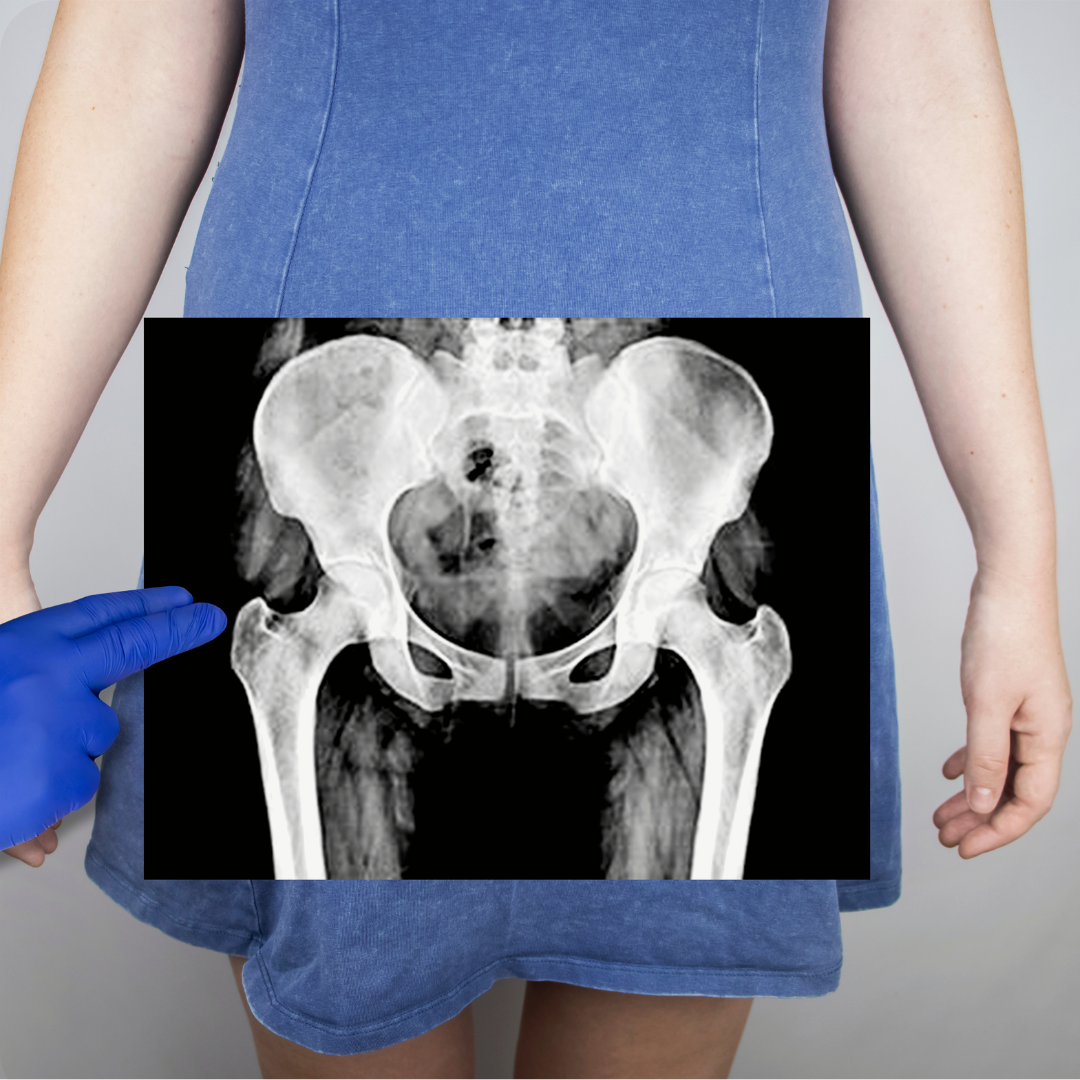
Pelvic health is often associated with pelvic floor exercises and muscle strength, but it’s much more than that. It refers to the wellbeing of the entire pelvic region—the muscles, organs, and connective tissues that work together to support digestion, core stability, urination, sexual health, and reproduction. Often associated with post natal and perimenopausal women, pelvic health is often overlooked in men, where it can contribute to prostate issues, erectile dysfunction, incontinence issues, hernias and poor stability in the body’s core muscles. Understanding pelvic health is key to feeling good in your body.
In this post, we’ll dive into the different aspects of female pelvic health and how it impacts your overall wellbeing.
Pelvic Floor Strength and Function
The pelvic floor is a group of muscles and ligaments located at the base of the pelvis. These muscles support the bladder, uterus (for women), bowel, and rectum. They play an essential role in controlling the release of urine and faeces, supporting the lower spine, as well as in sexual function and childbirth.
Strengthening the pelvic floor helps:
- Prevent incontinence
- Prevent pelvic organ prolapse
- Support recovery after childbirth, particularly following a C-section
- Improve sexual function
- Improve core stability
However, pelvic floor dysfunction can occur if the muscles are too weak or too tight. This can lead to issues like discomfort, pain, or even difficulty controlling the bladder or bowels.
Pelvic Organs: The Pelvic Bowl’s Intricate Anatomy
The pelvic bowl is home to essential organs that sit in close proximity to each other. Here’s a quick look at these organs and how they interact:
- Uterus: Located in the center of the pelvis, the uterus plays a crucial role in reproduction and contracts back to its original size postpartum.
- Bladder: Just in front of the uterus, the bladder holds urine. Any dysfunction in the pelvic region can lead to issues like urinary incontinence.
- Bowel: The intestines run through the pelvic area. If bowel health is compromised—through conditions like constipation or irritable bowel syndrome (IBS)—it can affect nearby organs.
- Ovaries: Positioned on either side of the uterus, the ovaries release eggs and regulate hormone production. Hormonal fluctuations can have a profound effect on pelvic health.
Pelvic Inflammation: A Source of Pain and Discomfort
Pelvic inflammation occurs when any of the organs or muscles within the pelvic region become swollen or irritated. This inflammation can result from infections such as UTIs or bacterial vaginosis, chronic conditions like endometriosis, or even tension in the pelvic muscles. Symptoms often include:
- Pelvic pain
- Pressure
- Bloating
If left unaddressed, inflammation can lead to more severe issues, so it’s important to tackle the problem early. Treatments may include pelvic floor therapy, lifestyle adjustments, or medical interventions.
Incontinence: Losing Control
Incontinence—whether urinary or fecal—is a common sign of pelvic health issues.
- Urinary incontinence often happens after childbirth or as we age and is typically linked to weakened pelvic floor muscles.
- Fecal incontinence can result from muscle damage during childbirth, chronic constipation, or weakened pelvic floor muscles.
Exercises can help improve muscle strength and manage incontinence, but it’s crucial to seek medical advice to find the right treatment plan for your specific condition.
Bowel Health and Constipation
Your pelvic health and bowel function are closely related. If you experience constipation, it can lead to excessive straining, which puts stress on the pelvic floor muscles. This can cause further complications, like:
- Rectocele (a bulging of the bowel into the vagina)
- Hemorrhoids
Maintaining a balanced diet, staying hydrated, and incorporating regular physical activity are essential for bowel health. Alongside these, pelvic floor exercises can aid in bowel control and prevent issues like constipation.
Pelvic Health: More Than Just the Pelvic Floor
Pelvic health isn’t just about the strength of your pelvic floor muscles—it’s about the entire region functioning well together. From supporting your bladder and bowel to managing inflammation and maintaining organ health, pelvic health is a complex and interconnected system.
A holistic approach to pelvic health can prevent complications and enhance overall wellbeing. Whether you’re managing discomfort or simply want to maintain pelvic strength, caring for this important area of your body is essential.
Conclusion
Pelvic health affects many aspects of our daily lives, from bladder and bowel control to sexual and reproductive health. By taking a proactive approach to pelvic health, through pelvic floor exercises, addressing inflammation, and managing constipation, you can enhance your overall wellbeing.
If you’re experiencing pelvic issues, it’s essential to seek help from a healthcare professional or pelvic physiotherapist to address these concerns. Remember, pelvic health is an ongoing journey, and taking small steps now can have long-lasting benefits.